
The Truth About Anti-Inflammatory Diets: What Works, What Doesn’t, and How to Eat for Rheumatic Health
January 15, 2026 | Rheumatic Disease

In a world of endless diet trends, the term “anti-inflammatory diet” often feels like just another buzzword. But for the millions of people living with rheumatic diseases—like rheumatoid arthritis, lupus, psoriatic arthritis, and ankylosing spondylitis—it’s more than a trend. It's a potential tool for real relief.
So what exactly is an anti-inflammatory diet? Does it really work? And if so, what should you eat—or avoid feeling your best? Let’s unpack the science, ditch the myths, and dig into evidence-based eating for rheumatic health.
Inflammation: Friend or Foe?
First, a quick science detour. Inflammation is your immune system’s natural response to injury or infection. It’s a good thing—when it’s temporary. But in autoimmune and rheumatic diseases, the immune system mistakenly attacks healthy tissue, leading to chronic inflammation. That’s where the trouble starts: pain, swelling, stiffness, and fatigue.
While medication is the cornerstone of treatment, there’s growing evidence that what you eat may play a role in managing symptoms and improving quality of life.
What Actually Is an Anti-Inflammatory Diet?
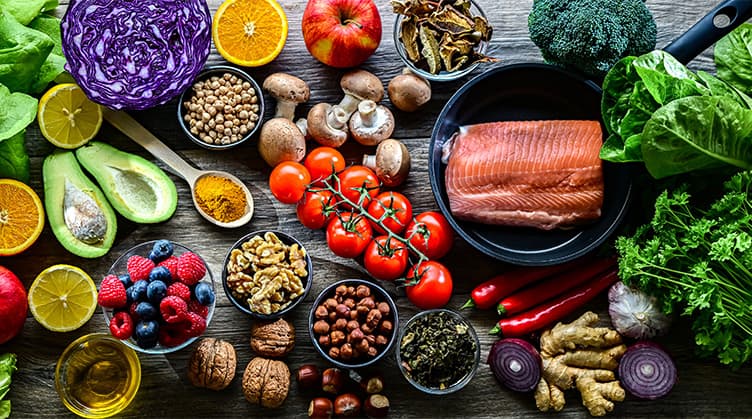
There’s no one-size-fits-all anti-inflammatory meal plan, but most versions emphasize:
- Whole, unprocessed foods
- Fruits and vegetables (especially colorful ones)
- Omega-3-rich fats (like fish, flaxseed, and walnuts)
- Whole grains
- Legumes
- Spices like turmeric and ginger
- Minimal added sugars, refined carbs, and processed meats
Sound familiar? That’s because many anti-inflammatory diets mirror the Mediterranean diet, widely regarded as one of the healthiest eating patterns—and a gold standard in rheumatic disease nutrition.
What Works: Evidence-Based Dietary Patterns
Mediterranean Diet
The research: Multiple studies have shown that the Mediterranean diet can reduce inflammation markers (like CRP), lower cardiovascular risk (important for people with rheumatic disease), and even improve disease activity.
What it includes: Lots of vegetables, olive oil, whole grains, legumes, nuts, lean proteins (especially fish), and moderate dairy. Red meat and sweets are limited.
The bottom line: This isn’t a fad—it’s a sustainable, flavorful, and science-backed way to eat. Patients with rheumatoid arthritis following a Mediterranean diet have reported less joint pain and stiffness, improved physical function, and better overall well-being.
Plant-Based Diets
The research: Vegetarian and vegan diets have shown promise in reducing inflammation and improving joint pain in some people with RA and other inflammatory conditions. A plant-based diet can also support a healthy weight, which is key since excess weight worsens inflammation.
What it includes: Fruits, vegetables, grains, legumes, nuts, seeds—and no animal products if vegan.
Caution: Strict vegan diets may lead to deficiencies in B12, iron, or omega-3s, so balance is important. Fortified foods or supplements may be necessary.
Elimination Diets (with guidance)
Some patients swear by elimination diets to identify “trigger foods.” While not for everyone, there’s some evidence that avoiding specific food sensitivities (like gluten or dairy) can reduce symptoms in certain people, particularly those with comorbid conditions like irritable bowel syndrome (IBS) or non-celiac gluten sensitivity.
Important: These should always be done under medical or dietitian supervision to avoid nutrient deficiencies.
What Doesn’t Work: Diet Myths to Ditch
Let’s bust a few popular myths that continue to circulate:
"Nightshade vegetables cause inflammation"
Tomatoes, peppers, eggplant, and potatoes have long been blamed for worsening arthritis symptoms. But scientific evidence is lacking. Unless you notice a consistent reaction to these veggies, there’s no reason to cut them out—they’re rich in nutrients and antioxidants.
Extreme detox or fasting diets
Juice cleanses, prolonged fasting, and detox teas may promise “quick fixes,” but they often lead to blood sugar swings, fatigue, and nutrient imbalances. They’re also not sustainable—and there’s no proof they reduce chronic inflammation.
Cutting all fats or carbs
Not all fats and carbs are created equal. Healthy fats—like those from avocados, olive oil, and nuts—actually fight inflammation. And whole grains like quinoa or oats are rich in fiber, which helps regulate inflammation and gut health.
Your Gut and Inflammation: The Microbiome Connection
Did you know that over 70% of your immune system lives in your gut? The health of your gut microbiomes the trillions of bacteria living in your intestines, can impact systemic inflammation.
Diets rich in fiber, fermented foods (like yogurt, kefir, kimchi, sauerkraut), and prebiotics (onions, garlic, bananas) may help cultivate a more balanced microbiome, reduce gut permeability (“leaky gut”), and promote immune regulation.
Tips for Getting Started
Whether you're newly diagnosed or just looking to feel better, here are some practical ways to ease into an anti-inflammatory lifestyle:
- Start small: Add one extra veggie to each meal. Swap white bread for whole grain. Cook with olive oil instead of butter.
- Prioritize variety: “Eat the rainbow” to get a broad spectrum of antioxidants.
- Limit ultra-processed foods: Think snack cakes, packaged meals, sugary drinks.
- Hydrate: Water is essential for joint lubrication and detoxification.
- Keep a food and symptom journal: Track what you eat and how you feel to identify patterns.
The Bottom Line: Food as Medicine, not a Miracle
An anti-inflammatory diet isn’t a cure for rheumatic diseases. It’s one powerful piece of the puzzle—alongside medication, movement, stress management, and sleep.
Science shows that what you eat can influence inflammation, immune function, and symptom control. But it’s not about perfection. It’s about patterns.
Choose real food. Eat with purpose. Listen to your body. And when in doubt, work with a dietitian who understands rheumatic disease.
Remember: You don’t have to overhaul your whole kitchen overnight. Start with your next bite. Because every meal is a chance to nourish your joints, calm your immune system, and take one step closer to feeling your best.

About the Author
Kiren Sahni, DO, FACR
Kiren Sahni, DO, FACR, is an experienced rheumatologist and leads the team at Sahni Rheumatology & Therapy, located in West Long Branch, New Jersey.
Dr. Sahni is a third-generation physician with 26 doctors in his family. Dr. Sahni served as president of his undergraduate university class and obtained his medical degree from Nova Southeastern University in Florida. Dr. Sahni completed his residency training at Hackensack University Medical Center Palisades and graduated as Chief Rheumatology Fellow from the HCA Healthcare/University of South Florida Morsani College of Medicine. He is board certified in Rheumatology & Internal Medicine and has additional training in advanced musculoskeletal ultrasound as well as electrodiagnostic testing.