ACR Journals on Air Podcast

Welcome to ACR Journals on Air, the ACR’s newest podcast series featuring interviews, commentary, and analysis on research from our three peer-reviewed journals: Arthritis & Rheumatology, Arthritis Care & Research, and ACR Open Rheumatology. Join us each episode for engaging discussions with authors and independent experts about recently published studies, their implications for clinical care, and how they move the field of rheumatology forward.
Whether it’s an expert analysis of a manuscript or deep dive with an author—our goal is the same—to understand the impact of the science and bring it from the bench to the bedside.
Podcast Host
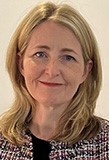
Victoria Shanmugam, MBBS, MRCP, CCD, has clinical expertise caring for patients with autoimmune diseases, vasculitis, and chronic wounds. She has led several research studies investigating scleroderma, hidradenitis suppurativa, and the interplay of the host immune response and the microbiome in chronic wounds. Dr. Shanmugam is a frequently invited speaker at professional meetings. Her work in wound healing, hidradenitis, and scleroderma has been published in high-impact peer-reviewed journals, such as Arthritis Care and Research, Current Opinion in Rheumatology, International Wound Journal, and Clinical Rheumatology. Connect with Dr. Shanmugam on Twitter (@VickiShanmugam).
Episodes
New episodes will be available twice a month on Tuesdays.
Episode 100 – Autoimmune Disease Risk with GLP-1RA, DPP-4i and SGLT2i Treatment in Patients with Diabetes
Episode 99 – The Gut-Heart Axis in Systemic Sclerosis
Episode 98 – Measuring the Impact: MRI Response of SI Joints in Youth with Axial SpA
Episode 97 – Risk Factors for Relapse in ANCA Vasculitis
Episode 96 – Significance of Positive ANA in Patients Without Autoimmune Diseases
Browse previous episodes in the ACR Journals on Air archive.
Episode Show Notes
In this episode, we explore research investigating the potential association between newer anti-diabetic medications and autoimmune diseases in patients with diabetes. Jeffrey A. Sparks, MD, MMSc, and Arjun Mahajan discuss their innovative study using the TriNetX Global Collaborative Network, explaining their methods, key findings, clinical implications, and study limitations. They also share insights into the mentoring relationship that supported their research and highlight the importance of mentorship in advancing rheumatology research.

Jeffrey A. Sparks, MD, MMSc – Jeffrey A. Sparks, MD, MMSc, is a rheumatologist and Assistant Professor of Medicine at Brigham and Women’s Hospital and Harvard Medical School in Boston, Massachusetts.
His research focuses on using patient-oriented and epidemiologic methods to evaluate the etiology, outcomes, and public health burden of rheumatic diseases. His research themes are rheumatoid arthritis risk and outcomes related to pulmonary disease, COVID-19 and rheumatic diseases, and rheumatic immune-related adverse events from immunotherapy for cancer treatment.
Dr. Sparks serves as the Director of Immuno-Oncology and Autoimmunity and Associate Program Director for the Rheumatology Fellowship of the Division of Rheumatology, Inflammation, and Immunity. He has received research awards from the National Institutes of Health, American College of Rheumatology, European Alliance of Rheumatology Associations, Rheumatology Research Foundation, Brigham and Women’s Hospital, Brigham Research Institute, and Harvard Medical School.

Arjun Mahajan – Arjun Mahajan is a medical student at Harvard Medical School with a focus on clinical informatics and autoimmune diseases. His current work spans machine learning and large-scale data approaches for clinical research, as well as building and evaluating multimodal large language models for clinical decision support. He completed his undergraduate degree at UC Berkeley and subsequently obtained a master's degree in data science.
Related Links:
Don’t forget to like, share, and subscribe!
What does the gut have to do with the heart in scleroderma? Quite a lot, as it turns out. In this episode, we talk with Zsuzsanna McMahan, MD, MHS, about new findings from the GENISOS cohort exploring the relationship between gastrointestinal and cardiac manifestations in systemic sclerosis, including the striking timing and strength of these associations and what they might reveal about shared disease mechanisms. Then we shift gears to the realities of academic medicine: Dr. McMahan shares lessons from moving from Johns Hopkins back to UT Houston, rebuilding clinical and research programs, forging new collaborations, and—perhaps most importantly—deciding what to say yes to and what to leave on the table.

Zsuzsanna McMahan, MD, MHS – Zsuzsanna H. McMahan, MD, MHS, is an Associate Professor of Medicine in the Division of Rheumatology and Co-Director of the UTHealth Houston Scleroderma Program. She brings a wealth of experience, having completed her medical training at the University of Texas Health Science Center at Houston, internal medicine at UT Southwestern, and a rheumatology fellowship at Johns Hopkins University, where she also earned a Master of Health Sciences. She spent over a decade at the Johns Hopkins Scleroderma Center before returning to Houston to help lead a comprehensive scleroderma clinical and research program.
Her research focuses on clinical features, identifying biomarkers, understanding disease mechanisms, and developing new treatments. Her work has been supported by the National Institutes of Health and various foundation partners, and she has authored over 125 peer-reviewed publications. She has also played a key role in developing global expert recommendations and clinical practice guidelines, all aimed at improving care for patients with complex rheumatic diseases.
Related Links:
Don’t forget to like, share, and subscribe!
In this episode, we speak with Pamela Weiss, MD, MSCE, pediatric rheumatologist, epidemiologist, and physician-scientist at Children’s Hospital of Philadelphia, about axial juvenile spondyloarthritis (axJSpA). Dr. Weiss discusses her study examining MRI findings in children and young adults receiving TNF inhibitors, including changes in sacroiliac joint inflammation, the relationship between imaging and patient-reported outcomes, and implications for clinical care and future research. She also shares her career journey, the mentors who shaped her path, and advice for the next generation of pediatric physician-scientists.

Pamela Weiss, MD, MSCE – Pamela Weiss, MD, MSCE, is an academic pediatric rheumatologist at The Children’s Hospital of Philadelphia with advanced training in clinical epidemiology and a focus on the pharmacoepidemiology and outcomes of children with juvenile spondyloarthritis (SpA). She has over 15 years of experience leading clinical research endeavors, including multicenter studies and international collaborations. She has developed disease response measures and classification criteria for axial disease for youth with JSpA. She is also PI for the 31-site randomized trial, BACK-OFF JSpA to evaluate biologic de-escalation in youth with sustained remission. She has served on Steering Committees, Advisory Boards, and Data Monitoring Committees for pediatric trials.
Related Links:
Don’t forget to like, share, and subscribe!
In this episode, we speak with Ellen Romich, MD, MSCE, about her post hoc analysis of the RITAZAREM trial, exploring factors associated with relapse in ANCA-associated vasculitis. She discusses the study design, key findings—including the roles of rituximab, azathioprine, CD19 positivity, ANCA status, and immune reconstitution—and the clinical implications and limitations of the work. Dr. Romich also shares her path into rheumatology, how she became involved in the analysis, and what questions she hopes to tackle next.

Ellen Romich, MD, MSCE – Ellen Romich, MD, MSCE, is a rheumatologist and clinical researcher at the University of Pennsylvania, where she specializes in the care of patients with systemic autoimmune diseases. She completed her medical degree at the Cleveland Clinic Lerner College of Medicine, followed by residency and fellowship training at the Hospital of the University of Pennsylvania. Her research focuses on improving quality of life and clinical outcomes for individuals living with idiopathic inflammatory myopathies and other systemic autoimmune diseases. Through her clinical practice and research, Dr. Romich is committed to advancing evidence-based, patient-centered care for individuals with complex rheumatic diseases, with the goal of reducing disease burden and improving long-term health outcomes.
Related Links:
Don’t forget to like, share, and subscribe!
Vivian Kawai, MD, and Matthew Chung discuss their research on the clinical significance of high-titer antinuclear antibodies (ANA) using electronic medical record data and PheWAS analysis. They explore the study’s design, key findings, clinical implications, and limitations, while also discussing how an undergraduate research experience evolved into a successful mentorship and publication.

Vivian Kawai, MD – Vivian Kawai, MD, is a translational scientist and Associate Professor in Clinical Immunology and Rheumatology at the University of Alabama at Birmingham. Her research integrates genomic, biomarker, and clinical data to advance precision medicine for complex inflammatory diseases, with a focus on systemic lupus erythematosus and rheumatoid arthritis. Drawing on expertise in pharmacoepidemiology, multi-omics, and biomarker-driven clinical research, she studies disease risk, prognosis, and treatment response with the goal of developing more accurate diagnostic tools and personalized therapies.

Matthew Chung – Matthew Chung’s path to medicine has been shaped by personal experiences with illness and a deep belief in the importance of listening, empathy, and compassionate care. His research at Vanderbilt University Medical Center, focused on autoimmune disease, has resulted in a first-author publication and national presentation. Through his work in research, community outreach, teaching, and as an EMT, Matthew has developed a commitment to becoming a physician-scientist who combines rigorous research with patient-centered care.
Related Links:
Don’t forget to like, share, and subscribe!